UGC Video Ads vs Studio Ads: What Converts Better
UGC-style or polished studio video ads? What the 2024–2026 evidence says on trust and performance, costs, creator rights, disclosure rules and how to test.
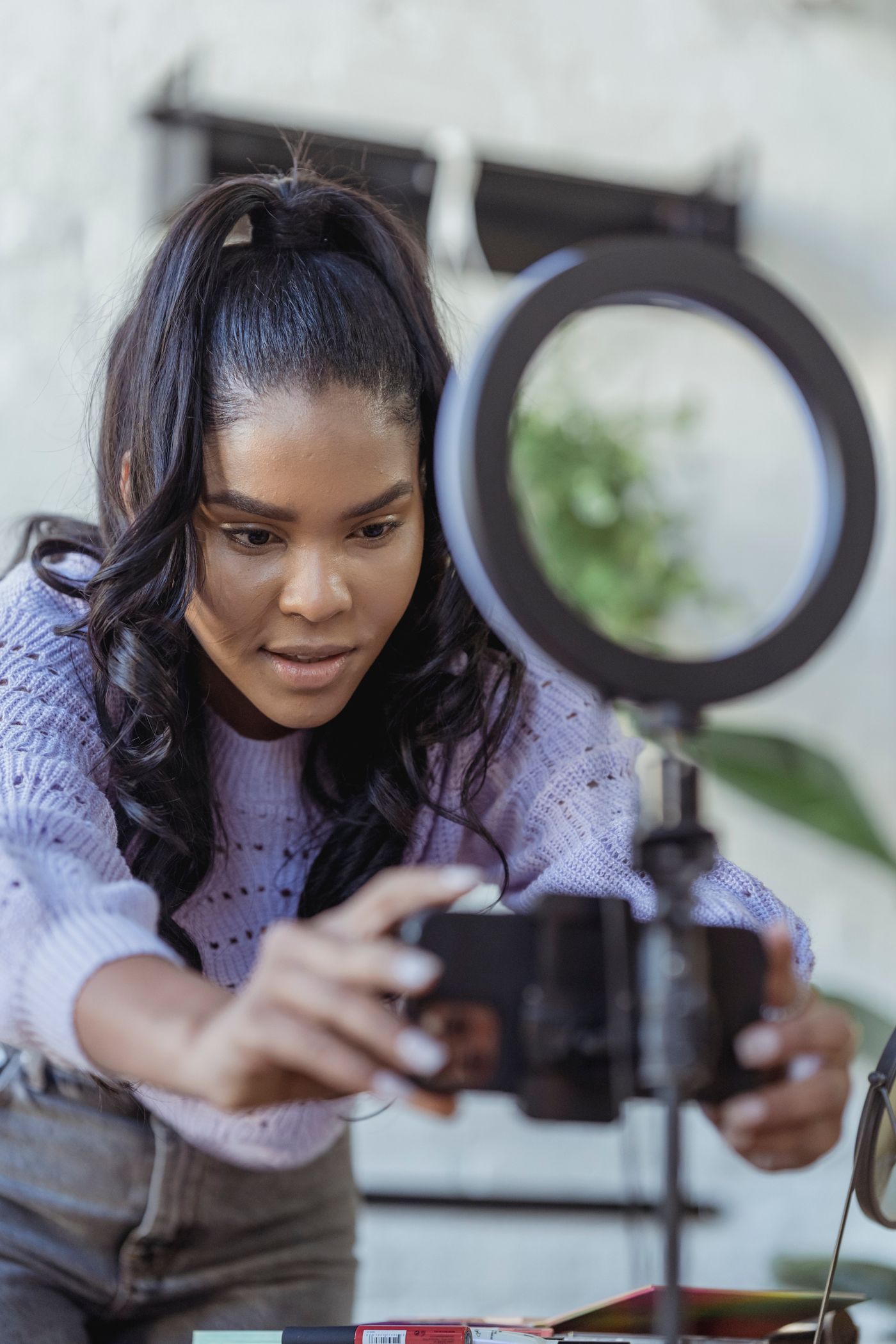
Neither format wins everywhere. UGC-style creator ads usually perform better in social feeds for direct-response goals because they look native and feel like a peer recommendation, while polished studio ads win for premium positioning, complex products, TV and YouTube placements and long-term brand assets. Most brands get the best results by using studio production for the core story and creator content for volume, then letting A/B tests decide.
Key takeaways
- UGC-style ads are creator-led, phone-shot videos built to look like organic posts. They are still ads and must be disclosed.
- Meta's own 2026 white paper reports a 45% lower median cost per incremental purchase when partnership ads were added in 20 EMEA lift studies.
- Shoppers trust peers most: customer reviews (26%) beat brand posts (13%) and influencer content (8%) in Bazaarvoice's 2025 survey.
- Studio production wins for premium brands, regulated categories, complex demos and assets you will run for years.
- Lock down usage rights, whitelisting terms and exclusivity in writing before you put spend behind creator content.
- Test format against format with the same offer, audience and budget. Judge on cost per acquisition, not likes.
What is a UGC-style video ad?
UGC stands for user-generated content. Strictly, that means content real customers create without being paid. In advertising, "UGC ads" usually means something slightly different: videos made by paid creators in the style of a real customer. They are shot on a phone, talk straight to camera and look like a normal post rather than a commercial.
Common UGC ad formats include:
- Testimonial or review: "I have used this for a month, here is what happened."
- Unboxing or first impressions.
- Problem-solution demo: the creator shows a frustration, then the fix.
- "Three reasons I switched" or listicle-style hooks.
- Partnership or whitelisted ads, where the brand runs the ad from the creator's own handle.
Studio ads, by contrast, are planned and shot by a production team with a script, crew, lighting, locations, talent and post-production. Think brand films, polished product demos, explainer videos and TV commercials.
The line has blurred. Many studios now shoot "studio UGC": creator-style videos with professional sound, lighting and editing. So the real question is not phone versus camera. It is which style fits the platform, the audience and the job.
What does the evidence say about UGC trust and performance?
There is a lot of recycled UGC data online with no clear source. We have stuck to studies we could verify.
Platform data on creator ads
Meta published a white paper in October 2026 on partnership ads, which run creator content from the creator's handle. Reported by PPC Land, it found a 45% lower median cost per incremental purchase and a 35% higher median incremental return on ad spend. These come from a meta-analysis of 20 EMEA conversion lift studies run between January and June 2025 where at least 30% of the test spend went to partnership ads. Meta stated 92% confidence, which is below the usual 95% threshold. The same paper reported a 71% higher brand intent lift across 14 global brand lift studies from 2023 to 2024.
That is Meta's own analysis of its own product, so treat it as a strong signal rather than an independent verdict.
What shoppers say they trust
Bazaarvoice's 2025 Shopper Preference report (8,000+ consumers in the US, UK, France, Germany, Canada and Australia, surveyed in January 2025) paints a more nuanced picture:
- Customer reviews and ratings are the most trusted social source (26%), ahead of friend and family recommendations (21%).
- A brand's official posts are trusted by 13% and social media ads by 11%.
- General UGC and influencer content are each trusted by only 8%.
- One in three shoppers has bought something mainly because a creator recommended it. Among 18–34s it is 56%.
- 43% say creators who mention both pros and cons build trust.
So shoppers do not blindly trust creators. What they trust is genuine peer experience. UGC ads work when they feel like an honest review. They fail when they feel like a script read by someone who has never used the product.
| Short-form video | 46 |
|---|---|
| Customer reviews or testimonials | 43 |
| Still images | 31 |
| Long-form video | 28 |
| Live streams | 19 |
| Interactive content | 14 |
The fatigue warning
Kantar's 2024 US Media Reactions study found marketers rated influencer content 31.82% higher for ad receptivity than consumers did, and noted that consumers are beginning to express influencer content fatigue. The lesson: creator content is not a magic format. Weak, samey UGC gets ignored just like weak studio work.
When does polished studio production win?
In our experience studio production is the better choice when:
- You sell a premium or luxury product. Lighting, styling and craft signal quality. A wobbly phone video can undercut a high price.
- The product is complex. Software demos, industrial equipment, financial products and healthcare services need clear visuals, motion graphics and precise scripting.
- You are in a regulated category. Finance, health and legal claims need tight control of every word, which is harder with many creators.
- The placement is big-screen. Connected TV, YouTube in-stream ads, cinema and events reward cinematic quality.
- You need a long-life brand asset. A brand film or explainer may run on your homepage and in sales decks for two or three years.
- You are launching a brand or a rebrand. First impressions set positioning. Studio work gives you control.
- You need one master asset to cut down. A well-planned shoot yields hero films, cut-downs, stills and B-roll for creators to reuse.
UGC usually wins for direct-response campaigns in Reels, TikTok-style feeds and Stories, consumer products where social proof matters, fast creative testing and rapid refreshes when ads fatigue.
How do the costs compare?
Creator content is usually cheaper per video. Collabstr's 2025 Influencer Marketing Report, based on its own marketplace data, put the average UGC asking price at $198.06, down 44.37% on the previous year, and found 66% of creators now offer UGC, up from 26%. Prices in India vary widely by niche, language and creator following, so treat these figures as a reference point rather than a quote.
A studio shoot costs more per day but produces more per shoot. The cost drivers are crew size, locations, talent, number of setups and post-production such as motion graphics, colour and sound.
Do not compare price per video. Compare cost per winning ad. Ten creator videos where two become winners can beat one studio ad that flops, and one studio master that runs for two years can beat twenty UGC clips that each fatigue in three weeks. For indicative studio rates, see our pricing.
UGC vs studio ads at a glance
| Factor | UGC-style creator ads | Studio ads |
|---|---|---|
| Look and feel | Native, phone-shot, talking to camera | Cinematic, controlled, branded |
| Cost per video | Lower | Higher |
| Speed | Days | Weeks |
| Volume for testing | High | Low to medium |
| Trust signal | Peer recommendation (if honest) | Brand credibility and quality |
| Best placements | Reels, TikTok-style feeds, Stories, partnership ads | CTV, YouTube in-stream, website, events, TV |
| Best goals | Direct response, social proof, creative testing | Launch, positioning, complex demos, long-life assets |
| Message control | Lower | High |
| Creative lifespan | Short; fatigues fast | Longer, especially brand films |
| Legal risk | Higher (disclosure, rights, claims) | Lower (controlled scripts and releases) |
How do you source the right creators?
- Start with your customers. Real customers who already love the product make the most credible creators. Ask for permission and offer a fee or credit.
- Use marketplaces and agencies to find creators by niche, language and region. In India, regional language creators can open audiences that English ads miss.
- Brief on the problem, not the script. Give the key message, mandatory claims and banned claims, then let creators speak in their own words.
- Ask for raw footage and multiple hooks. Three to five opening lines per video gives you more to test.
- Ship product early. Creators need time to actually use it. Honest experience shows on camera.
What about usage rights, whitelisting and disclosure?
Note: nothing in this section is legal advice. Check your specific campaign with a lawyer who knows advertising law in each market where the ad will run.
Usage rights
Paying a creator for a video does not automatically give you the right to run it as an ad forever. Your contract should cover:
- Usage scope: organic posting, paid ads, website, email, TV.
- Duration: for example 3, 6 or 12 months, with renewal fees.
- Whitelisting or partnership access: permission to run ads from the creator's handle.
- Exclusivity: whether the creator can promote competitors, and for how long.
- Edits: whether you can cut, subtitle or remix the footage.
- Talent releases for anyone else who appears on camera.
Disclosure in India
Unless there is no material connection between brand and creator, an ad must be labelled. India has two layers of rules.
The ASCI Guidelines for Influencer Advertising in Digital Media apply to content published on or after 14 June 2021. Disclosure is required when there is any material connection, which includes free products and perks, not just payment. Accepted labels include Advertisement, Ad, Sponsored, Collaboration, Partnership, Employee and Free gift. The label must be upfront and prominent, not hidden in hashtags or behind a "more" link. For videos without text, the label must be superimposed:
- 15 seconds or less: on screen for at least 3 seconds.
- Over 15 seconds and under 2 minutes: on screen for one-third of the video.
- 2 minutes or more: for the whole section where the brand is mentioned.
Virtual or AI influencers must also disclose that viewers are not interacting with a real person. Both brand and creator share responsibility.
The Department of Consumer Affairs released "Endorsement Know-hows!" on 20 January 2023 for celebrities, influencers and virtual influencers. It requires disclosures to be prominent and clear, using terms such as "advertisement", "sponsored" or "paid promotion". It also says endorsers should not promote products they have not personally used or experienced or checked through due diligence.
Disclosure in the US
If your ads run in the US, the FTC's updated Endorsement Guides (29 June 2023) say a platform's built-in disclosure tool might not be enough on its own, explain the liability of advertisers, endorsers and intermediaries, and cover virtual influencers. On 14 August 2024 the FTC announced a final rule banning fake reviews and testimonials, including AI-generated testimonials from people who do not exist or have no real experience with the product. The rule lets the FTC seek civil penalties against knowing violators.
How should you test UGC against studio ads?
- Fix one goalPick a single conversion event such as purchase, lead or booked call, and a target cost per acquisition.
- Match the variablesUse the same offer, landing page, audience and budget for each format so creative is the only difference.
- Launch three to five ads per formatOne ad per format proves nothing. Test several creators and several studio cuts.
- Read the right metricsCompare hook rate, hold rate and click-through first, then cost per acquisition once each ad has enough conversions.
- Iterate on winnersTurn winning UGC hooks into studio versions and cut studio footage into native UGC-style edits.
A few practical rules we recommend:
- Give each test enough budget to reach meaningful conversion volume before you call a winner.
- Watch for fatigue. UGC winners often decline faster. Plan a refresh cadence.
- Test hybrids. A studio-shot product demo with a creator voiceover, or a creator testimonial with studio B-roll, is often the best of both.
- Use lift studies if your spend allows. Platform-reported conversions can flatter whatever format the algorithm favours.
In our experience the strongest ad accounts do not pick a side. They use studio production for the core brand story and long-life assets, and creator content for volume and freshness. If you want help with either, see our services, browse templates or get in touch.
Frequently asked questions
Do UGC ads really convert better than studio ads?+
Often in social feeds, but not always. Meta's 2026 white paper reports 45% lower median cost per incremental purchase when partnership ads were added in 20 lift studies. Studio ads still win for premium, complex and big-screen placements, so test both.
What is the difference between UGC and influencer marketing?+
Influencer marketing pays for access to a creator's audience on their channel. UGC ads pay for the content itself, which the brand then runs as ads, usually from its own account or as a partnership ad.
Do UGC ads need an "Ad" label in India?+
Yes, whenever there is a material connection such as payment, free products or a partnership. ASCI accepts labels like Ad, Sponsored, Collaboration and Partnership, and they must be upfront and prominent.
How much does a UGC video cost?+
Collabstr's 2025 marketplace data put the average UGC asking price at about $198 per video. Rates in India vary widely by niche, language and usage rights.
Can I use AI avatars for UGC-style ads?+
Only with clear disclosure. ASCI requires virtual influencers to disclose they are not real people, and the FTC's 2024 rule bans fake testimonials from people who do not exist.
Sources
- Meta says partnership ads cut incremental purchase costs 45% in EMEA tests — PPC Land, 2026
- Shopper Preference Report 2025 — Bazaarvoice, 2025
- Consumers Crave More "Natural" Advertising Experiences, finds Kantar US Media Reactions — Kantar, 2024
- Influencer collab costs in decline but UGC offers bright spot in 2025, report finds — Net Influencer (Collabstr data), 2025
- ASCI press release: Influencer Guidelines 2021 — Advertising Standards Council of India, 2021
- Endorsement Know-hows! press release — Department of Consumer Affairs, Government of India, 2023
- Federal Trade Commission Announces Updated Advertising Guides to Combat Deceptive Reviews and Endorsements — FTC, 2023
- Federal Trade Commission Announces Final Rule Banning Fake Reviews and Testimonials — FTC, 2024
Want videos built on this playbook?
We script, shoot, generate and edit short-form, ads and AI video for brands and creators — price agreed upfront.
Written and fact-checked by the Frame Wizard team in Mumbai. First published . We cite every statistic to its source and update guides as platforms change. Spotted an error? Tell us.
Related guides

Google Business Profile Videos: Win More Local Leads
How to use short videos on your Google Business Profile to turn local searchers into calls, visits and bookings, with Google's own specs.

LinkedIn Video Ads With Lead Gen Forms: A Practical Tactic
How to pair LinkedIn video ads with Lead Gen Forms to win B2B leads, using LinkedIn's own benchmarks, specs and form best practices.

The Video Lead Generation Playbook for B2B and Services
Build a video funnel that turns viewers into leads: funnel-stage video types, gating, landing pages, sales emails, retargeting and the metrics to track.
Book a Frame Wizard Strategy Call
Tell us about your brand or channel. We'll review your hook metrics and recommend the optimal production framework.